Gilbert, AZ · Desert landscape design, installs & care
Desert yards that look better every year.
Design, installs, irrigation and weekly care across Gilbert, Mesa, Chandler and Queen Creek. Low-water plants that belong here, drip that’s checked on every visit, and the same crew on the same day each week. Not “whenever we’re in the area.”
Free yard walk, then a drawn plan with line-item prices, usually within a week.
- Google ★ [rating] · [count] reviews
- ROC licensed · #[license]
- Gilbert yards since [year]
- Same crew, same day
Plan 0412 · Backyard · Gilbert
West-facing backyard, grass to desert
- Desert Museum palo verde
- Brittlebush × 7
- Red yucca × 3
- Parry’s agave × 3
- Desert willow
- Drip, two zones
What are you looking for?
What we do
What we do, and what it usually costs.
Most landscapers make you wait for the yard walk to hear a number. Here are East Valley ranges up front; the free plan then prices your yard line by line.
- Landscape designA drawn plan for your yard: plants picked for the sun each bed gets, a drip layout, and a price for every line. Change it as much as you like before anything gets dug.Free when we do the install
- Installs and hardscapePlants, boulders, decomposed granite, pavers, turf and lighting. Most yards take three to ten working days, and the street gets swept every evening.Front yards usually $6,000–$14,000
- Irrigation and dripNew drip systems, sprinkler-to-drip conversions, smart controllers and leak repairs, including systems someone else put in.Repairs from $150 · new drip $1,500–$4,000
- Weekly and biweekly careTrim, weed, blow, clean up, and a check of every drip zone. Same crew, same day, and a text the evening before.From $119 a month
- Grass-to-desert conversionsTake out the lawn you never use, keep a patch for the dog, and plant a desert yard that drinks a fraction of the water.Most backyards $8,000–$18,000 before rebates
- Trees and monsoon prepThinning canopies before the summer storms, staking young trees, and cleanup after a storm when a branch comes down anyway.Pruning usually $150–$450 a tree
Sample prices for illustration. Brittlebush’s real ranges replace these on a live site.
Care plans
Keep it looking like the day we left.
A drip leak that runs all of July can kill a tree you paid good money for. A crew that walks every zone each week catches it the same week.
Every other week
Small or very low-water yards
from$119/ month
- Trim, weed, blow and clean up
- Drip check on every visit
- Controller set for each season
- Most yards
Weekly
Most East Valley yards
from$169/ month
- Everything in every other week
- Pre-emergent weed control twice a year
- 1-year warranty on plants we installed
- Same crew, same day, every week
Full care
Big yards and lots of trees
from$249/ month
- Everything in weekly
- Tree and shrub pruning
- Seasonal color in your pots
- Monsoon prep and storm cleanup
Sample prices. Real prices depend on the yard and are set on the free yard walk. No contracts; cancel with a text.
Not sure what to plant?
Find three plants that will love your spot.
Pick how much sun the bed gets and what you want from it. These are plants we put in East Valley yards every week, sorted for the heat they’ll actually get.
Three for a full sun spot
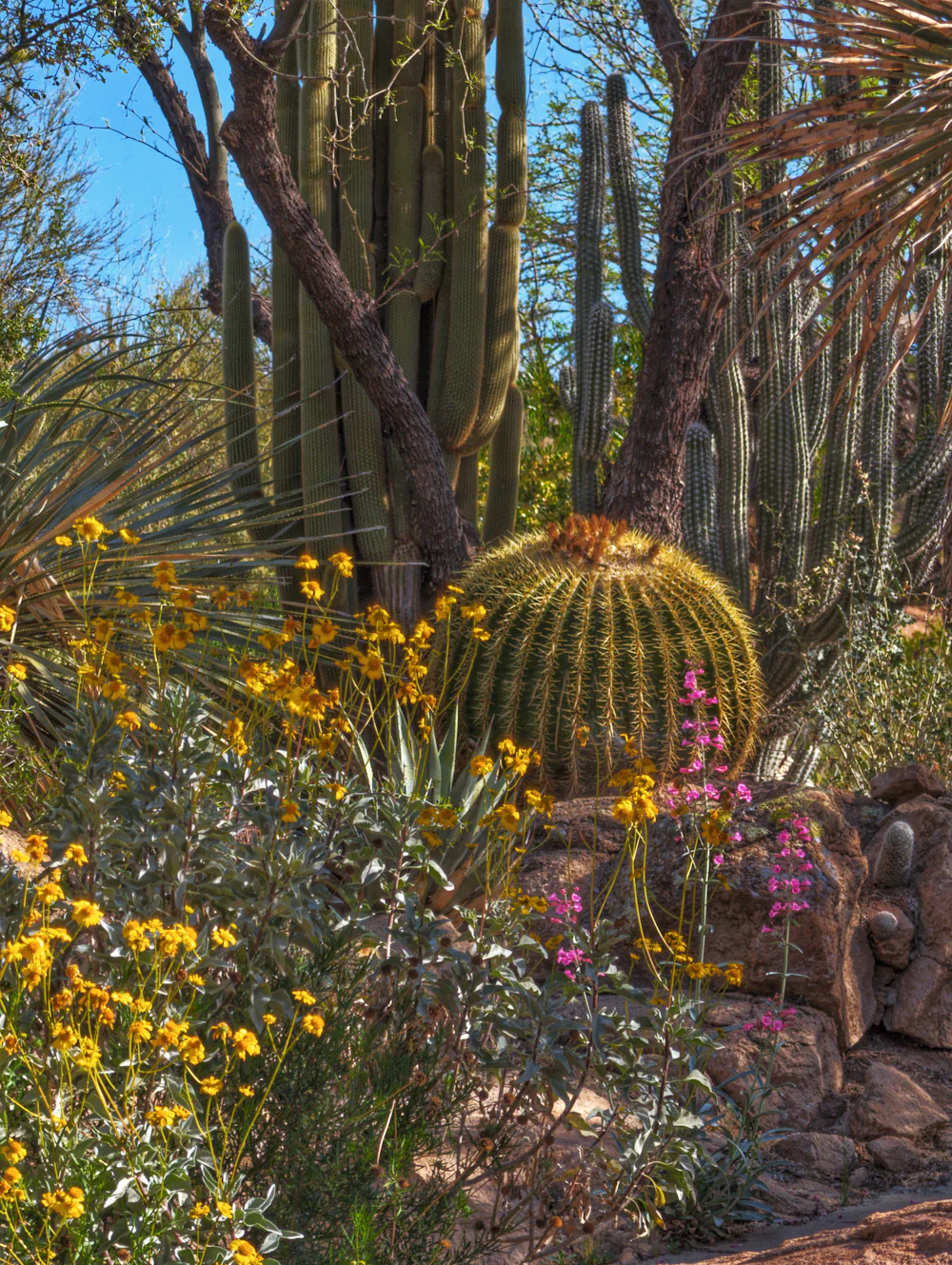
Brittlebush
3 ftVery low water
Encelia farinosa
Silver leaves and a flood of yellow daisies in late winter and spring. It’s the one on our sign.
Desert marigold
1 ftVery low water
Baileya multiradiata
Bright yellow flowers spring through fall, and it reseeds itself in the gravel.
Red yucca
3 ft, 5 ft spikesLow water
Hesperaloe parviflora
Coral flower spikes from spring into fall, and the hummingbirds that come with them. Shrugs off reflected heat.
A starting point, not a planting plan. On the yard walk we check soil, slope and reflected heat before anything goes on paper.
The part you’re worried about
Planted in October. Still thriving in August.
Landscape jobs go wrong two ways: plants that cook the first summer, and a crew that disappears once the check clears. Here’s how we prevent both.
- Plants matched to each wallA west wall in July is a different planet from the north side. We plant for the heat each bed actually gets, not what looked good at the nursery.
- Drip tested zone by zoneBefore we leave, every zone runs while you watch. You get the controller set for the season and a map of the zones.
- One-year plant warrantyOn a weekly or full care plan, if a plant we installed dies in its first year, we replace it.
- Same crew, same dayThe people who planted your yard are the people who look after it, with a text the evening before every visit.
How a project runs
From bare dirt to done, in four steps.
- 01Free yard walkAbout 45 minutes. We look at sun, slope, soil and the drip you already have, and ask how you want to use the yard.
- 02A plan with pricesA drawn plan, a plant list and a price for every line, usually within a week. Do it all at once or in phases.
- 03InstallMost yards take three to ten working days. Drip goes in first, plants go in last, and the street gets swept every evening.
- 04Care, if you want itHand it to the same crew on a care plan, or take it from here with a watering schedule written for your yard.
Recent yards · ★ [rating] from [count] on Google
The yards, and what the neighbors said.
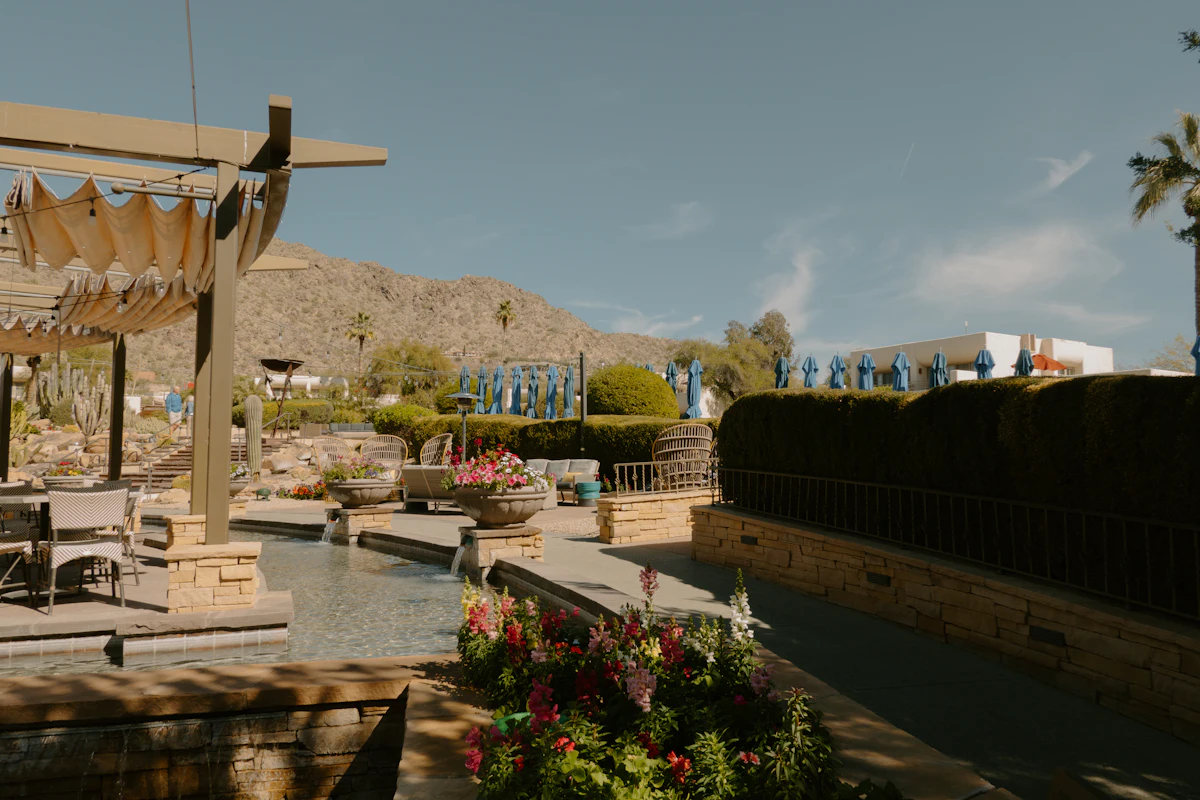
Backyard patio · Stock photo by Emily Irene Photo Co. on Unsplash 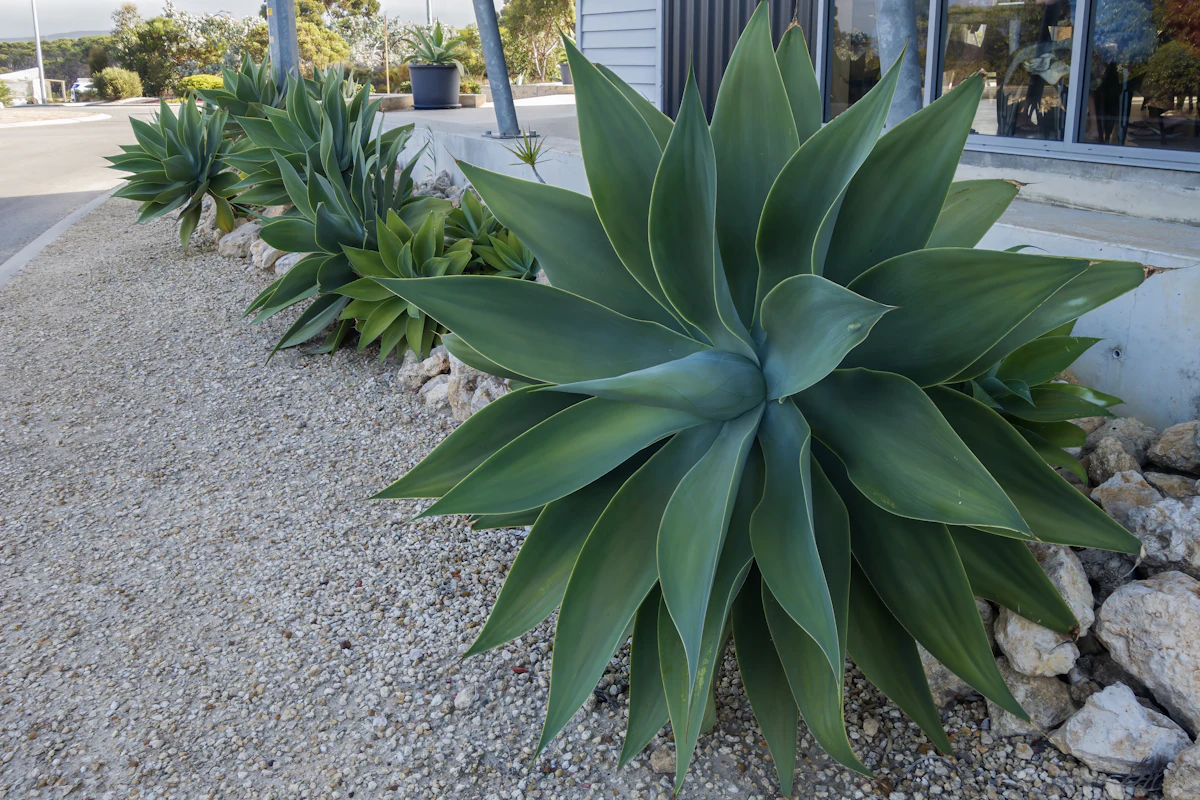
Front yard · Stock photo by snap wander on Unsplash 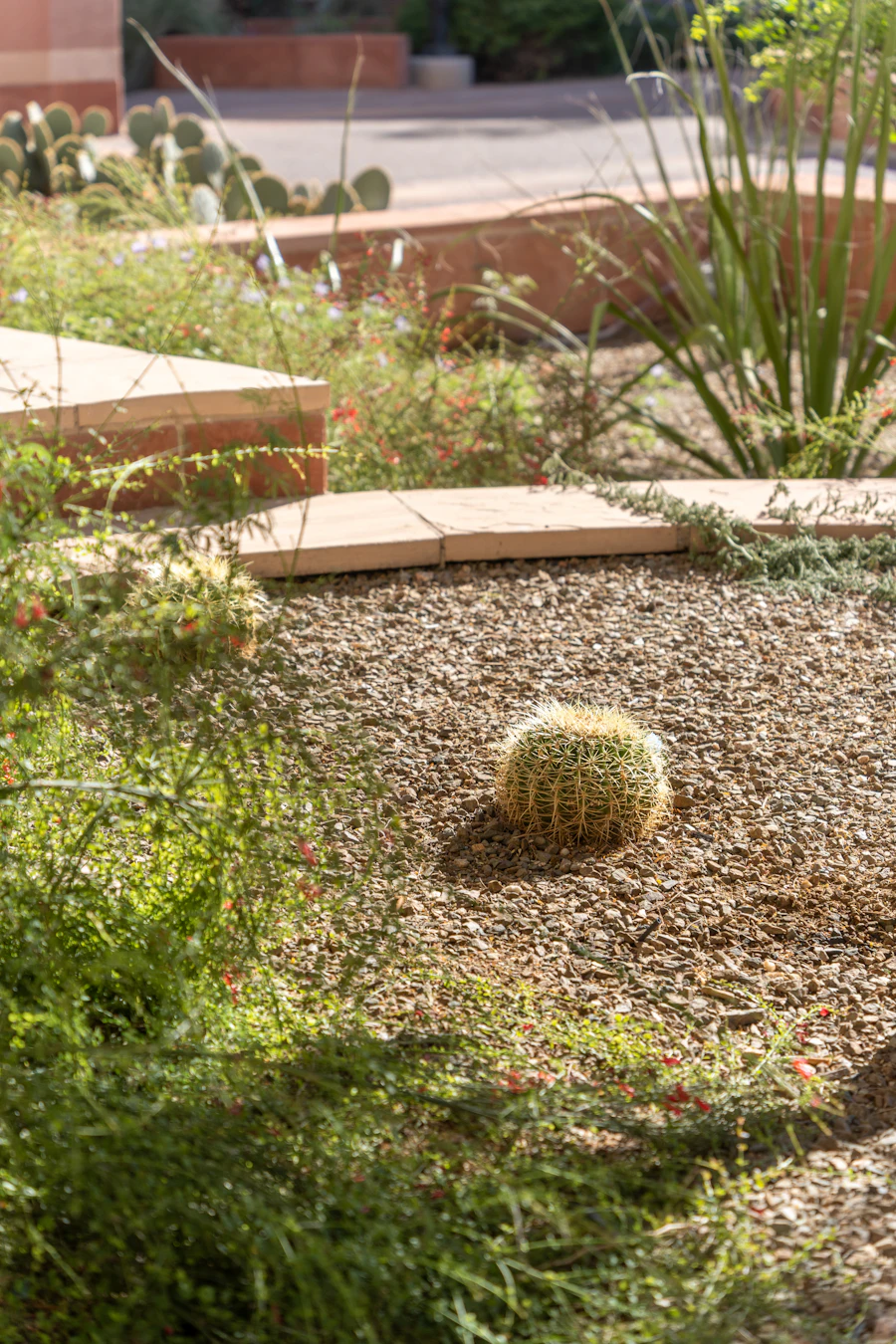
Gravel side yard · Stock photo by Diwei Zhu on Unsplash
Stock photos stand in here. On a live site, these are real before-and-after shots of Brittlebush yards, with the town and the job.
Placeholder for a real customer review. On the live site this is a short, specific story: what the yard looked like, how the install went, and how it looks a summer later.
Sample review · Gilbert · Backyard grass-to-desert
Placeholder. Web Rescue never publishes made-up reviews; Brittlebush’s real Google reviews go here, with the customer’s permission.
Sample review · Chandler · Weekly care
Placeholder for a review with a photo of the finished yard, ideally one that mentions the water bill.
Sample review · Mesa · Drip repair
Sample cards. Brittlebush’s real Google reviews, with names, towns and the job, replace these on a live site.
Locally owned in Gilbert
The person who walks your yard draws the plan.
Brittlebush is a Gilbert company. Our designer walks every yard and draws every plan, and our own crews, not subcontractors, do the install and the weekly care. [The owner’s story and a crew photo go here.]
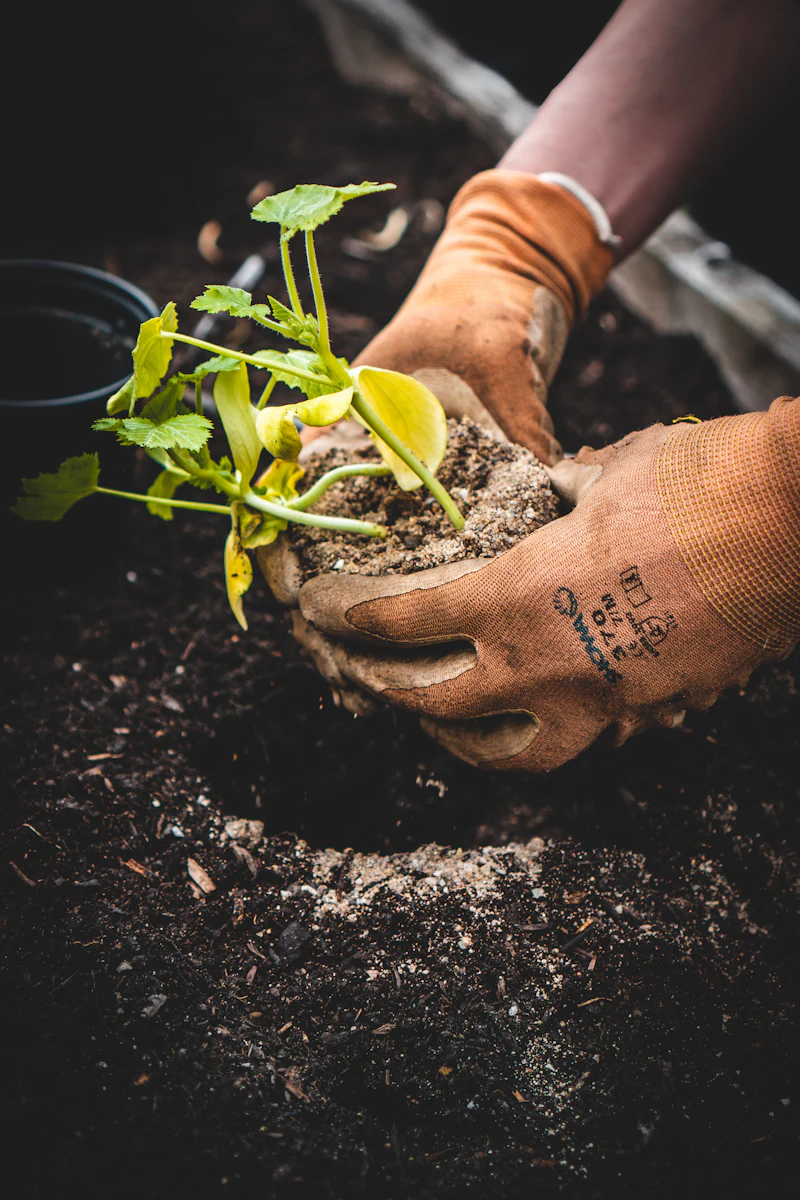
Planting photo: stock, by Jonathan Kemper on Unsplash.
Crews out of Gilbert, across the East Valley.
- Gilbert
- Mesa
- Chandler
- Queen Creek
- San Tan Valley
- Tempe
- Ahwatukee
- Apache Junction
- Gold Canyon
- Scottsdale
Just outside these towns? Ask. Design and install jobs often make the drive worth it.
- Office
- Mon–Fri, 7 am to 4 pm
- Crews
- Mon–Sat; 5 am starts in summer
- Phone
- (480) 555-0178
Questions we hear on every yard walk
Before you call, the short answers.
When is the best time to plant?
October through March for most trees, shrubs and flowers, so roots settle in before the heat. Cactus and agave are the exception: they root best in warm soil, late spring into summer.
Do I have to take out all my grass?
No. Most people keep a patch where the dog runs or the kids play and swap the rest. The plan shows each option side by side so you can choose.
Will my city pay me to remove grass?
Several East Valley cities run grass-removal rebates. Programs, amounts and rules change, so we check the current one for your address and take the before-and-after photos the city asks for.
How much does a new backyard cost?
Most grass-to-desert backyards land between $8,000 and $18,000 before any city rebate. Plants, rock and drip cost far less per square foot than pavers or a patio cover, and the free plan prices every line, so you can do it in phases.
What happens on a care visit?
Trimming, weeding, blowing and cleanup, a walk of every drip zone, and a text if something needs your attention. We never shear shrubs into balls unless you ask.
Can you fix drip someone else installed?
Yes. We map what you have, fix the leaks and dead emitters, and tell you honestly whether it’s worth keeping or redoing.
Get a free quote
Tell us about the yard. We’ll come walk it, free.
Fall is planting season. Get your yard on the schedule.
Web Rescue · Why this page works
What’s on this page, and why it’s there.
- Three doors from the heroSomeone planning a new backyard, someone pulling out grass and someone who just wants the weeds gone are different buyers. Each gets a door, so nobody reads the whole page to find theirs.
- The plan is the heroBefore the install, the plan is what a landscaper sells. The hero shows one, with plants, drip and a legend, so the visitor sees the process before reading about it.
- A default care planRecurring care is where a landscaping business makes its money, so “Weekly” is marked as the plan most yards need, and every plan says what it includes in plain words.
- The fear, namedPlants that cook the first summer and a crew that vanishes after the install. The dark section answers both: plants matched to each wall, tested drip, a plant warranty and the same crew.
- A tool that plans with youThe plant picker turns “what should I plant?” into three real Valley plants for that spot, then offers to put them on a plan for the yard.
- Local, all the way downPlanting season, monsoon prep, hard sun on west walls, city turf rebates and summer crews starting at 5 am. The photos here are labeled stock shots; on a live site, the client’s own before-and-after photos do the heavy lifting.
On a real site, this homepage is page one.
A sample is only the homepage. A client site built from it adds these pages, and the homepage links to each one.
- A page for each serviceDesign, installs, irrigation, care plans, grass-to-desert and trees, each answering its own search.
- A project galleryReal before-and-after photos, filterable by town and project. The page a landscaper sells from.
- A page for each townGilbert, Mesa, Chandler and the rest, each with that city’s current turf rebate.
- Care plan sign-upPick a plan and a visit day online, with the same crew from then on.
- Seasonal plant guidesWhat to plant in October, what to prune before monsoon. Useful to homeowners, and it ranks.
- Business markup for GoogleLocal business schema with hours and service area. Left off this sample on purpose, because the business is fictional.